
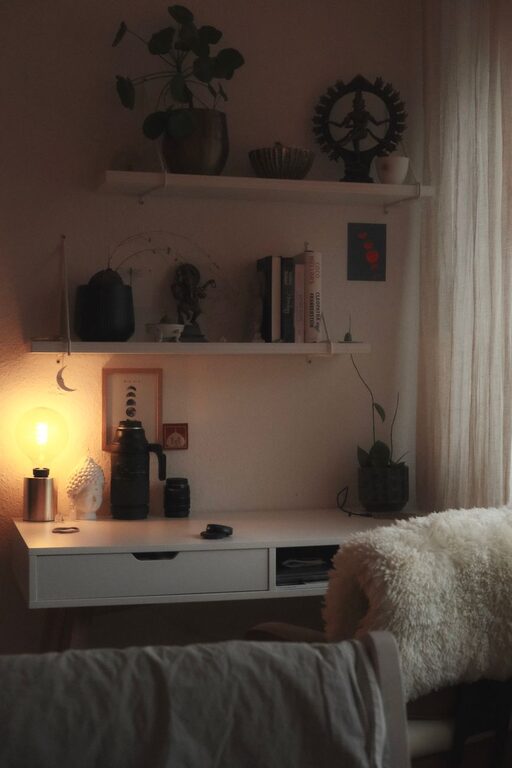
Tips for Creating a Relaxing Home Workspace That Boosts Productivity
Creating a home workspace that feels both relaxing and productive can make all the difference in your work-from-home routine. A thoughtfully designed environment helps reduce stress, improves focus, and increases overall job satisfaction. Whether you have a dedicated room or just a small corner, applying practical tips can transform your area into an inviting and efficient workspace.
Why a Relaxing Workspace Matters
Your workspace sets the tone for your workday. Clutter, noise, or uncomfortable furniture can lead to distractions, fatigue, and decreased motivation. On the other hand, a space that promotes calmness helps you stay engaged and productive. When your environment supports both comfort and focus, work feels less like a chore and more like a creative process.
Choose the Right Location
Start by selecting the best spot in your home for your workspace. Ideally, this should be a quiet area with minimal foot traffic and distractions.
– Natural light: Position your desk near a window to take advantage of natural light. It can improve mood and energy levels.
– Away from noise: Choose a place that’s away from noisy appliances or high-traffic areas.
– Separate space: If possible, avoid working in your bedroom or living room to maintain clear boundaries between work and relaxation.
Invest in Comfortable Furniture
Ergonomics plays a key role in productivity and well-being.
– Ergonomic chair: Choose a chair that supports your back and encourages good posture.
– Adjustable desk: A desk with adjustable height allows you to alternate between sitting and standing.
– Proper desk size: Ensure your desk has enough space for your computer, documents, and any other tools you need.
Organize and Declutter
Clutter can overwhelm your mind and reduce efficiency.
– Use storage solutions: Shelves, drawers, and organizers can keep supplies tidy.
– Keep essentials accessible: Arrange your most-used items within arm’s reach to avoid interruptions.
– Daily cleanup: Spend a few minutes at the end of each day to tidy your desk.
Personalize Your Space
Adding personal touches makes your workspace more inviting without being distracting.
– Plants: A small indoor plant can refresh the air and bring calmness.
– Artwork or photos: Display calming images or meaningful photos to inspire you.
– Comfort items: A cozy blanket or a scented candle can enhance relaxation during breaks.
Control Lighting and Reduce Glare
Good lighting helps prevent eye strain and boosts focus.
– Layered lighting: Combine overhead lighting with task lamps for flexibility.
– Adjust brightness: Use dimmers or adjustable lamps to set the right light level.
– Reduce screen glare: Position your monitor away from direct sunlight or use an anti-glare screen.
Minimize Noise and Distractions
Sound can be a major distraction, especially in a busy household.
– Noise-canceling headphones: Use them to block out background noise or listen to focus music.
– White noise machines: These can help mask disruptive sounds.
– Set boundaries: Communicate your working hours with family or housemates to reduce interruptions.
Incorporate Break Areas and Movement
Movement and breaks are vital for maintaining productivity.
– Take short breaks: Step away from your workspace every hour to stretch or rest your eyes.
– Designate a separate break spot: If possible, create a comfortable spot away from your desk to recharge.
– Incorporate movement: Add a yoga mat or a standing desk option to encourage physical activity.
Use Technology Wisely
Technology can either enhance or hinder productivity.
– Efficient tools: Utilize apps and devices that streamline your workflow.
– Limit distractions: Turn off nonessential notifications to maintain focus.
– Cable management: Use clips or ties to keep cords organized and prevent clutter.
Pay Attention to Air Quality and Temperature
Comfortable air and temperature affect your concentration and well-being.
– Ventilation: Open windows when possible or use air purifiers.
– Temperature control: Maintain a comfortable room temperature that suits you.
– Humidity: Use a humidifier or dehumidifier if necessary to keep the air balanced.
Maintain a Positive Mindset
Your attitude toward your workspace impacts how productive you feel.
– Set daily goals: Clear objectives help you stay motivated.
– Celebrate achievements: Acknowledge completed tasks to encourage progress.
– Practice mindfulness: Incorporate short mindfulness exercises to reduce stress.
—
By creating a relaxing home workspace tailored to your needs, you’ll find it easier to focus, stay organized, and maintain a healthy work-life balance. Taking small steps to improve your environment can lead to big improvements in productivity and satisfaction. Start today by applying a few of these tips and watch your work-from-home experience transform.